


The History of Fetish Photography: From Irving Klaw to Contemporary Visual Culture
Photography has always occupied a unique position within fetish culture. Long before the internet connected niche communities across continents, and decades before social media transformed the circulation of erotic imagery, photographs became one of the principal ways through which fantasies, identities, aesthetics, and subcultures could be documented, exchanged, and imagined. More than simply recording bodies or erotic encounters, fetish photography created visual languages that influenced fashion, publishing, design, cinema, and contemporary art.
Unlike conventional erotic photography, fetish photography has rarely been concerned only with nudity or sexuality. Its history reveals a fascination with symbolism, materials, uniforms, power, transformation, and performance. Leather jackets, latex catsuits, military boots, corsets, masks, gloves, ropes, and high heels became visual elements through which photographers explored identity as much as desire. Every object carried cultural meaning, and every image became part of a larger archive documenting how alternative communities represented themselves across different generations.
Today, fetish photography occupies museums, gallery exhibitions, fashion editorials, coffee-table books, and digital archives. Yet its origins remain deeply connected to underground publishing, censorship, independent magazines, and photographers who worked outside mainstream culture, often documenting communities that had few opportunities to represent themselves publicly.
Before Fetish Photography: Early Erotic Images and Hidden Archives
The relationship between photography and eroticism emerged almost immediately after photography itself. During the nineteenth century, photographs of nude models circulated privately throughout Europe, often disguised as studies for painters or academic references.

Hans Bellmer - German, 1935
Although these early images rarely reflected what we now understand as fetish photography, they established an important precedent: photography could preserve fantasies that society preferred to keep hidden.
At the same time, industrialization transformed clothing, manufacturing, and material culture. Corsets, polished leather boots, gloves, military uniforms, and restrictive garments acquired increasingly complex symbolic meanings that extended beyond their practical functions. These objects gradually entered visual culture as markers of authority, elegance, discipline, and erotic imagination.
The emergence of fetish photography would later build upon these visual associations, combining everyday objects with carefully constructed narratives about identity and desire.
John Willie and the Birth of Modern Fetish Illustration
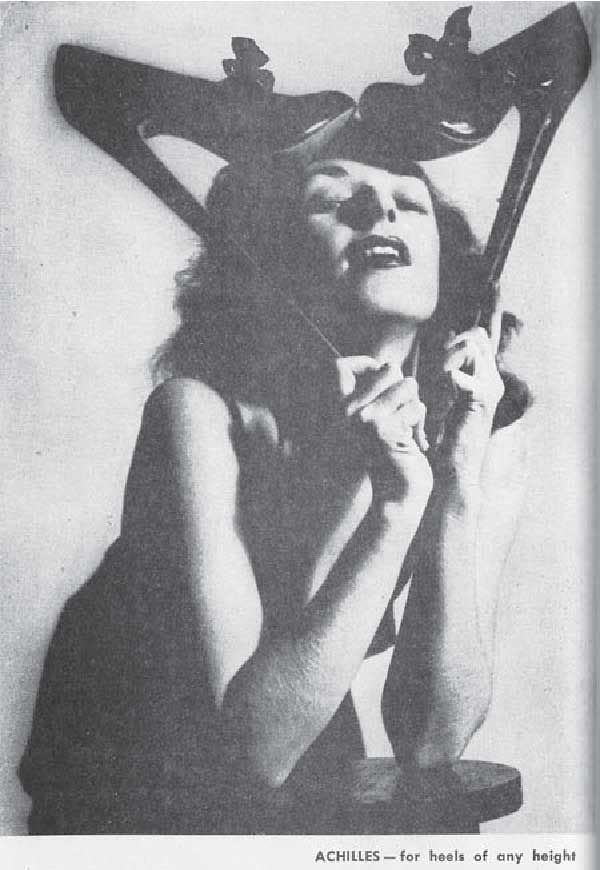
Before photography became the dominant visual language of fetish culture, illustration played a central role in shaping its imagination. Few figures influenced this transition more profoundly than John Willie, whose magazine Bizarre, first published in 1946, established many of the visual conventions that continue to influence fetish aesthetics today.
John Willie
Willie's drawings combined corsetry, bondage, high heels, elaborate costumes, and architectural settings with extraordinary technical precision. Rather than depicting explicit sexuality, his work emphasized elegance, theatricality, and the transformation of the body through clothing and posture. The magazine circulated internationally among collectors and enthusiasts, demonstrating that fetish imagery could exist as a sophisticated visual culture rather than merely an underground curiosity.
Although primarily an illustrator, John Willie laid the conceptual foundations upon which later photographers would build, proving that fetish imagery could communicate atmosphere, symbolism, and design as effectively as eroticism.
Irving Klaw and the Camera as Archive
No discussion of fetish photography is complete without Irving Klaw, whose photographs and short films fundamentally changed the visual history of twentieth-century fetish culture. Working in New York during the late 1940s and 1950s, Klaw produced thousands of photographs featuring models such as Bettie Page, helping establish an entirely new vocabulary for bondage, role-play, domination, pin-up aesthetics, and fantasy performance.
Unlike commercial glamour photography of the period, Klaw's work embraced theatrical scenarios involving ropes, corsets, high heels, whips, stockings, masks, and elaborate costumes. Yet what made these photographs culturally significant was not simply their content but the fact that they documented an underground visual world that mainstream publishing largely refused to acknowledge.
Distributed through mail-order catalogues during an era of strict censorship, Klaw's photographs circulated quietly among collectors and enthusiasts, creating one of the earliest international networks of fetish imagery. Today, they are recognized not only as historical documents but also as important examples of mid-century photography, graphic design, costume history, and visual storytelling.

Irving Klaw
Physique Photography and the Hidden History of Gay Publishing
While Irving Klaw documented one branch of fetish culture, another photographic movement was developing within gay communities through the emergence of physique magazines during the 1950s and 1960s.
Publications such as Physique Pictorial, founded by Bob Mizer, presented photographs of athletic male bodies under the guise of fitness and bodybuilding. At a time when explicit homosexual imagery remained illegal in many countries, these magazines created coded visual languages through posing, clothing, uniforms, and subtle gestures that allowed queer readers to recognize themselves.

Bob Mizer
Beyond their immediate cultural importance, physique magazines established many of the photographic conventions that later influenced fashion editorials, advertising, portraiture, and contemporary queer publishing.
Robert Mapplethorpe and the Museum
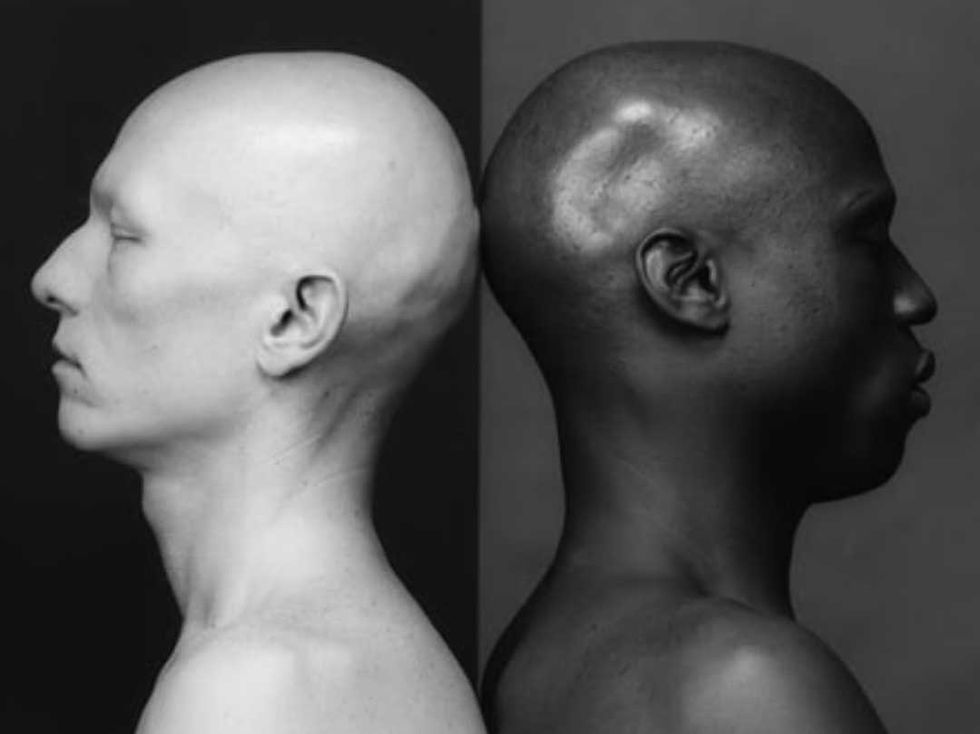
By the late twentieth century, fetish photography entered a dramatically different context through the work of Robert Mapplethorpe. Rather than documenting underground communities from within, Mapplethorpe presented BDSM, leather culture, flowers, classical sculpture, and portraiture within a highly formal visual language inspired by art history.
His photographs blurred the boundaries between fine art and fetish imagery, introducing leather communities and BDSM aesthetics into museums and galleries around the world.
Robert Mapplethorpe
The controversy surrounding his exhibitions demonstrated how images connected to sexuality could simultaneously function as cultural documents, artistic practice, and political statements.
Mapplethorpe's work permanently altered public conversations about censorship, artistic freedom, and the place of fetish culture within contemporary art.
From Underground Publishing to Fashion Photography
As fetish aesthetics became increasingly visible, photographers working within fashion began incorporating visual references once associated exclusively with underground communities. Leather harnesses, latex garments, corsets, masks, military uniforms, polished boots, and dramatic body language gradually appeared in editorials produced for leading fashion magazines.
Photographers such as Helmut Newton explored power dynamics, luxury, dominance, and theatrical femininity, while designers including Thierry Mugler, Vivienne Westwood, Alexander McQueen, and later Gareth Pugh incorporated fetish-inspired silhouettes into runway collections.

Helmut Newton
This transition illustrates one of the most remarkable aspects of fetish photography: visual codes developed within marginalized communities eventually influenced mainstream fashion, advertising, and luxury publishing without losing their symbolic complexity.
Queer Publishing and a Different Kind of Eroticism
Not every influential queer publication embraced spectacle. During the early 2000s, BUTT Magazine proposed a radically different editorial language based on intimacy, conversation, and everyday experience.
Rather than emphasizing costumes or elaborate fantasy, BUTT documented queer life through portraiture, interviews, domestic spaces, and personal encounters. Its photography suggested that eroticism could emerge through vulnerability, friendship, and ordinary moments rather than carefully staged performance.
Although stylistically very different from earlier fetish publications, BUTT expanded the conversation by demonstrating that photography could represent desire through emotional proximity as effectively as through visual symbolism.

Butt Book by Taschen
Fetish Photography in the Digital Age
The arrival of digital photography fundamentally transformed fetish culture. Online forums, independent websites, social media platforms, subscription services, and digital archives made it possible for photographers and communities to share work globally without relying on traditional publishers.
This technological shift diversified both representation and authorship. Communities previously excluded from mainstream media began producing their own visual histories, documenting a broader range of bodies, identities, genders, and cultural experiences.
At the same time, digital circulation blurred the boundaries between documentary photography, editorial imagery, commercial fashion, and personal archives, creating an unprecedented visual ecosystem in which fetish photography continues to evolve.
Beyond Eroticism: Photography as Cultural Documentation
The enduring importance of fetish photography lies not only in its erotic content but in its ability to document communities, preserve visual traditions, and record forms of identity that were frequently ignored by mainstream institutions.
Photographs preserve clothing, interiors, architecture, graphic design, gestures, rituals, and social spaces that might otherwise disappear from history. They reveal how communities created their own aesthetics, transformed ordinary objects into cultural symbols, and used visual language to communicate belonging long before digital platforms made visibility easier.
Seen from this perspective, fetish photography becomes more than a collection of provocative images. It functions as an archive of design, material culture, fashion history, queer identity, and alternative forms of self-expression. Every photograph records not only a person or an object, but also a particular moment in the ongoing evolution of human desire and visual culture.
Related Concepts in the Atomique Fetish Archive
Continue exploring the visual history of fetish culture through related entries in the Atomique Fetish Archive:
Irving Klaw
John Willie
Bettie Page
Tom of Finland
Robert Mapplethorpe
BUTT Magazine
Corsets
Queer Visual Culture
Together, these subjects reveal how photography has documented far more than eroticism, becoming one of the principal mediums through which fetish culture has preserved its history, aesthetics, and evolving visual language.


