


Bizarre Magazine: The Birth of Modern Fetish Aesthetics

Bizarre Magazine (USA, 1946–1959) stands as one of the earliest and most influential fetish publications in modern history. Created and published by British-born artist John Willie, Bizarre did more than circulate erotic imagery — it established the visual grammar, iconography, and narrative language that would define fetish culture for decades to come.
Long before digital platforms or underground clubs, Bizarre Magazine became a printed sanctuary where desire, fantasy, and identity could exist beyond social prohibition.
John Willie and the Origins of Bizarre Magazine
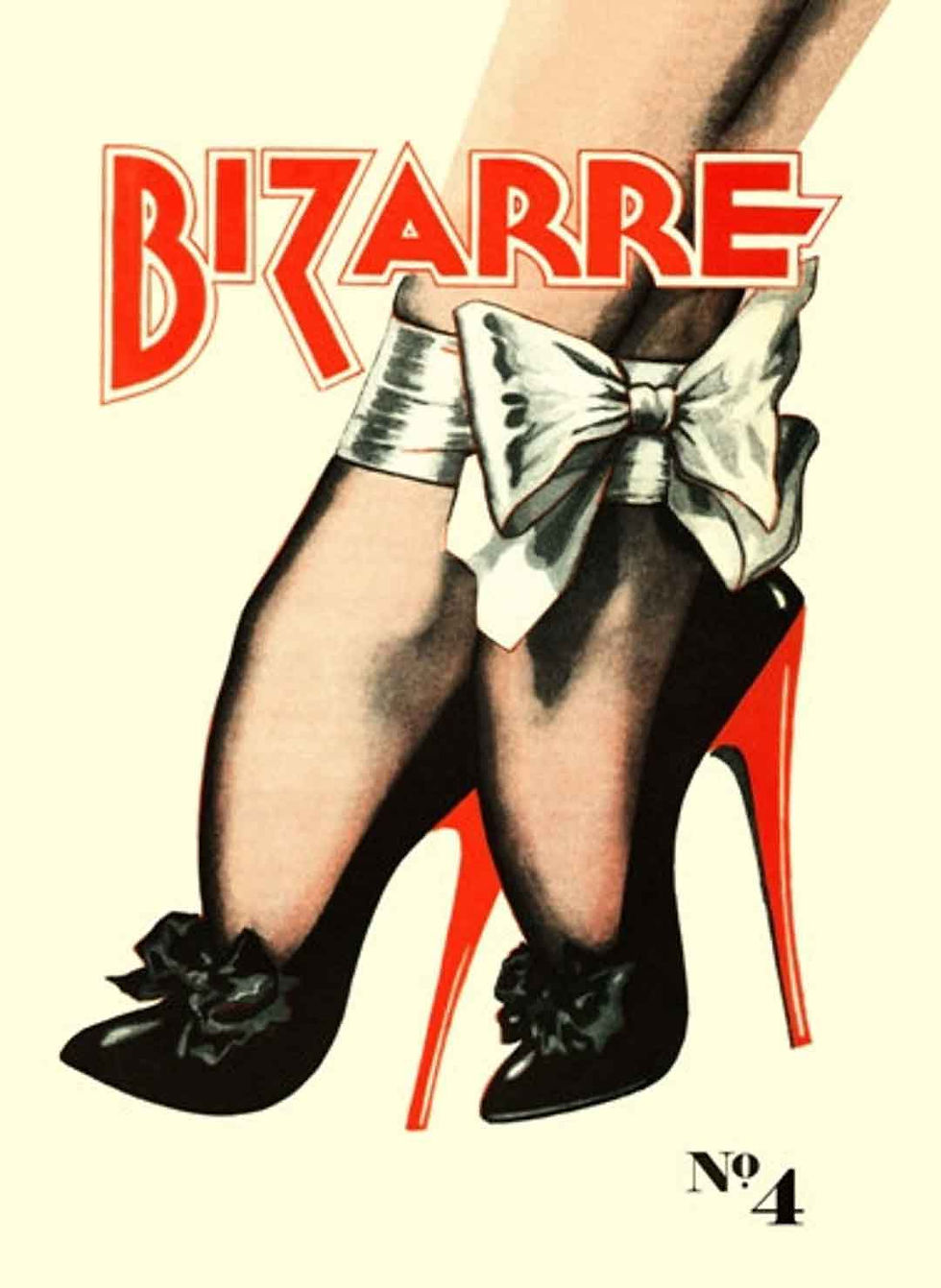
John Willie founded Bizarre Magazine in the aftermath of World War II, during a time of strict censorship and moral conservatism. Working largely as a one-man operation, Willie wrote, illustrated, photographed, edited, and published the magazine himself.
Rather than explicit pornography, Bizarre focused on stylized fetish fantasy, creating a coded visual world that allowed readers to explore desire through suggestion, symbolism, and imagination. This restraint was not only strategic — it became aesthetic.
The Fetish Language of Bizarre Magazine
The influence of Bizarre Magazine lies in its recurring motifs, which would later become foundational to fetish culture:
Bondage as narrative structure
Corsetry as control and beauty
Stylized female dominance
The erotic tension of restraint
Fantasy illustration as world-building
Women in Bizarre were not passive objects. They were powerful, commanding, and central to the erotic imagination. This inversion of traditional gender power marked a radical
departure from mainstream erotic imagery of the time.

Illustration as Fetish Architecture
Unlike later fetish magazines that relied heavily on photography, Bizarre Magazine leaned deeply into illustration. John Willie’s drawings created anatomically exaggerated, hyper-controlled bodies framed by ropes, steel furniture, and architectural restraint.
These illustrations functioned like blueprints of desire — precise, obsessive, and ritualistic.
They allowed fetish to exist as a constructed universe rather than a raw act, shaping how later generations understood fetish as design, discipline, and fantasy logic.
Why Bizarre Magazine Still Matters
Though Bizarre ceased publication in 1959, its influence remains unmistakable. The magazine directly shaped:
From underground leather scenes to contemporary fetish art and fashion, Bizarre Magazine continues to echo as the origin point of modern fetish imagery.
At Atomique, Bizarre is recognized not as relic, but as infrastructure — a foundation upon which fetish culture learned to see itself.

Written by Otávio Santiago
Founder of Atomique Fetish — an editorial project on erotic culture and design
Artist, designer & researcher


