


Fetish in Cinema: How Film Shaped the Visual Language of Desire
Cinema has always been fascinated by desire, but the history of fetish in film extends far beyond erotic storytelling. Throughout the twentieth century, filmmakers repeatedly turned to fetish aesthetics to explore psychology, identity, power, obsession, fashion, and the complexity of human relationships. Long before fetish culture became widely visible through the internet, films introduced audiences to visual worlds built around leather, latex, uniforms, masks, domination, submission, voyeurism, and transformation.
What makes fetish cinema particularly significant is that it rarely presents fetishism as a subject in isolation. Instead, fetish becomes a cinematic language through which directors investigate larger questions surrounding memory, trauma, fantasy, loneliness, control, and social convention. Costumes become psychological extensions of characters, interiors evolve into symbolic spaces, and carefully chosen objects acquire emotional weight far beyond their physical function.
From European art cinema to Japanese experimental filmmaking and contemporary independent productions, fetish has shaped some of the most visually influential films ever made. These works continue to inspire photographers, fashion designers, artists, musicians, and contemporary visual culture, demonstrating that cinema has been one of the principal mediums through which fetish aesthetics entered the cultural mainstream.
Cinema as a Museum of Desire
Unlike literature or photography, cinema combines movement, sound, architecture, costume, lighting, and performance into a single visual experience. This allows fetish aesthetics to function not simply as isolated images but as complete environments where every object contributes to atmosphere and psychological meaning.
Leather gloves, polished boots, latex garments, military uniforms, corsets, masks, mirrors, industrial interiors, hotel rooms, abandoned factories, and carefully choreographed body language become recurring visual motifs throughout the history of fetish cinema. Their purpose is rarely limited to provocation. Instead, these elements organize emotional tension, communicate power, and reveal aspects of identity that dialogue alone cannot express.
This explains why many of the most influential fetish films continue to be studied in film schools, museums, and contemporary art institutions. Their importance lies as much in their visual language as in their narrative content.
Belle de Jour (1967): Fantasy and Bourgeois Desire
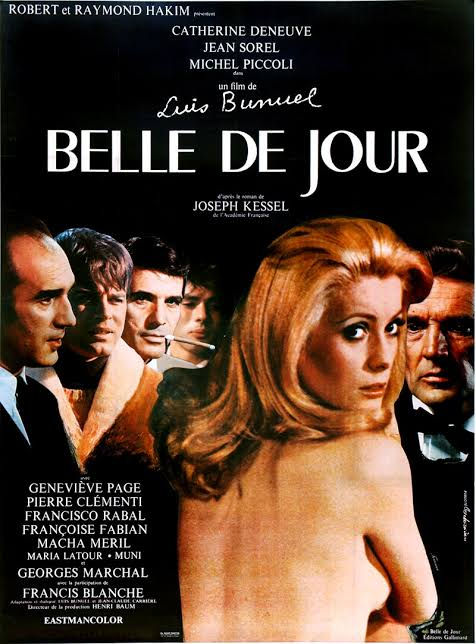
Luis Buñuel's Belle de Jour remains one of the defining films in the history of cinematic fetishism. Rather than presenting fetish as explicit sexuality, the film explores the relationship between fantasy and everyday life through the character of Séverine, whose hidden desires gradually unfold within the structured routines of bourgeois society.
Buñuel deliberately refuses to distinguish clearly between dreams and reality, allowing fetish to exist as a psychological landscape rather than a sequence of erotic acts. Shoes, gloves, fabrics, interiors, and rituals become symbolic objects that reveal emotional complexity without requiring explanation.
More than half a century after its release, Belle de Jour continues to influence fashion photography, luxury advertising, and contemporary discussions surrounding female desire.
Venus in Furs: Masochism and Literary Influence
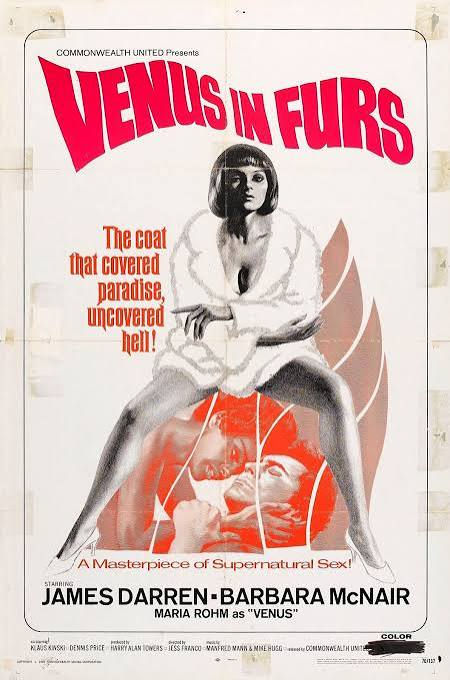
Few literary works have influenced fetish culture as profoundly as Leopold von Sacher-Masoch's nineteenth-century novel Venus in Furs. Its numerous cinematic adaptations transformed themes of domination, submission, fur, costume, and role-playing into visual narratives that continue to shape contemporary understandings of power exchange.
Rather than presenting domination as spectacle, these films explore how desire often develops through imagination, negotiation, and symbolic performance. Clothing becomes central to this process. Fur garments, gloves, boots, tailored silhouettes, and carefully constructed interiors communicate authority long before dialogue begins.
The enduring popularity of Venus in Furs demonstrates how literature and cinema together established many of the visual conventions still associated with fetish aesthetics today.
The Night Porter (1974): Trauma, Memory and Power
Liliana Cavani's The Night Porter remains one of the most controversial films ever associated with fetish imagery. Set in post-war Vienna, the film examines the disturbing relationship between a former concentration camp officer and a survivor years after the Second World War.
Its use of uniforms, military symbolism, cabaret performance, and psychological dependency generated intense debate regarding ethics, memory, and representation.
Rather than functioning as conventional erotic cinema, The Night Porter explores how power, trauma, memory, and desire can become psychologically entangled.
Its visual influence has extended far beyond cinema, inspiring fashion editorials, photography, music videos, and discussions surrounding the relationship between history and erotic symbolism.

Crash (1996): Technology, Flesh and Modern Obsession
David Cronenberg's adaptation of J. G. Ballard's Crash introduced one of cinema's most intellectually ambitious explorations of fetishism. Instead of focusing on traditional fetish objects, the film examines the relationship between technology, automobiles, scars, machinery, and the human body.
Cronenberg proposes that modern desire is increasingly shaped by industrial design, mechanical surfaces, and technological environments. Cars become extensions of the body, while metal, glass, leather interiors, and engineered precision create entirely new forms of attraction.
Today, Crash remains essential viewing for anyone interested in the intersection of fetish, industrial design, architecture, and contemporary visual culture.

Secretary (2002): BDSM and Emotional Intimacy
Steven Shainberg's Secretary marked an important turning point in the cinematic representation of BDSM. Rather than presenting domination and submission through sensationalism, the film focuses on communication, consent, vulnerability, and emotional compatibility between its two central characters.
Its visual language is intentionally restrained. Office furniture, paperwork, posture, clothing, and routine become part of an evolving relationship where power develops gradually rather than dramatically.
For many viewers, Secretary represented one of the first mainstream films to portray BDSM as a complex emotional dynamic rather than a source of fear or pathology, significantly influencing public conversations about fetish culture during the early twenty-first century.

Tokyo Decadence (1992): Japan's Underground Aesthetic
Directed by Ryū Murakami, Tokyo Decadence offers one of cinema's most atmospheric explorations of Japan's underground BDSM culture. Through minimalist interiors, luxury hotels, latex garments, rope bondage, and urban alienation, the film constructs an aesthetic that feels simultaneously elegant and emotionally distant.
Rather than emphasizing explicit eroticism, Murakami uses fetish environments to examine loneliness, emotional detachment, and the commodification of intimacy within contemporary metropolitan life.
Its influence continues to resonate within Japanese fashion, photography, and contemporary visual culture.

The Duke of Burgundy (2014): Ritual and Repetition
Peter Strickland's The Duke of Burgundy demonstrates how fetish can become an aesthetic structure rather than simply a narrative theme. Set within an ambiguous European landscape, the film follows two women whose relationship is organized through carefully repeated rituals of domination, submission, costume, and performance.
The film's extraordinary production design, muted colour palette, vintage interiors, and attention to material textures transform fetish into a meditation on routine, communication, and emotional negotiation.
Rather than explaining BDSM, The Duke of Burgundy allows viewers to experience its rhythms through architecture, costume, sound, and cinematic composition.

Dogs Don't Wear Pants (2019): Grief and Transformation
Finnish director Jukka-Pekka Valkeapää's Dogs Don't Wear Pants approaches BDSM through an unexpected perspective: grief. Following the death of his wife, the protagonist develops an increasingly complex relationship with domination that becomes intertwined with mourning, healing, and emotional reconstruction.
The film avoids simplistic explanations, instead suggesting that fetish can function as a psychological language through which individuals negotiate trauma and vulnerability.
Its careful balance between emotional realism and visual symbolism makes it one of the most thoughtful contemporary films exploring BDSM culture.

Shortbus (2006): Sexuality as Community
John Cameron Mitchell's Shortbus occupies a distinctive position within queer cinema by presenting sexuality as part of everyday urban life rather than isolated spectacle. Set in New York, the film combines explicit intimacy with conversations about relationships, loneliness, creativity, and belonging.
Rather than focusing on fetish itself, Shortbus illustrates how diverse forms of desire coexist within broader communities, emphasizing openness, communication, and emotional connection.
Its inclusive perspective helped redefine contemporary cinematic approaches to sexuality during the early twenty-first century.

Cruising (1980): Leather Culture and Urban Mythology
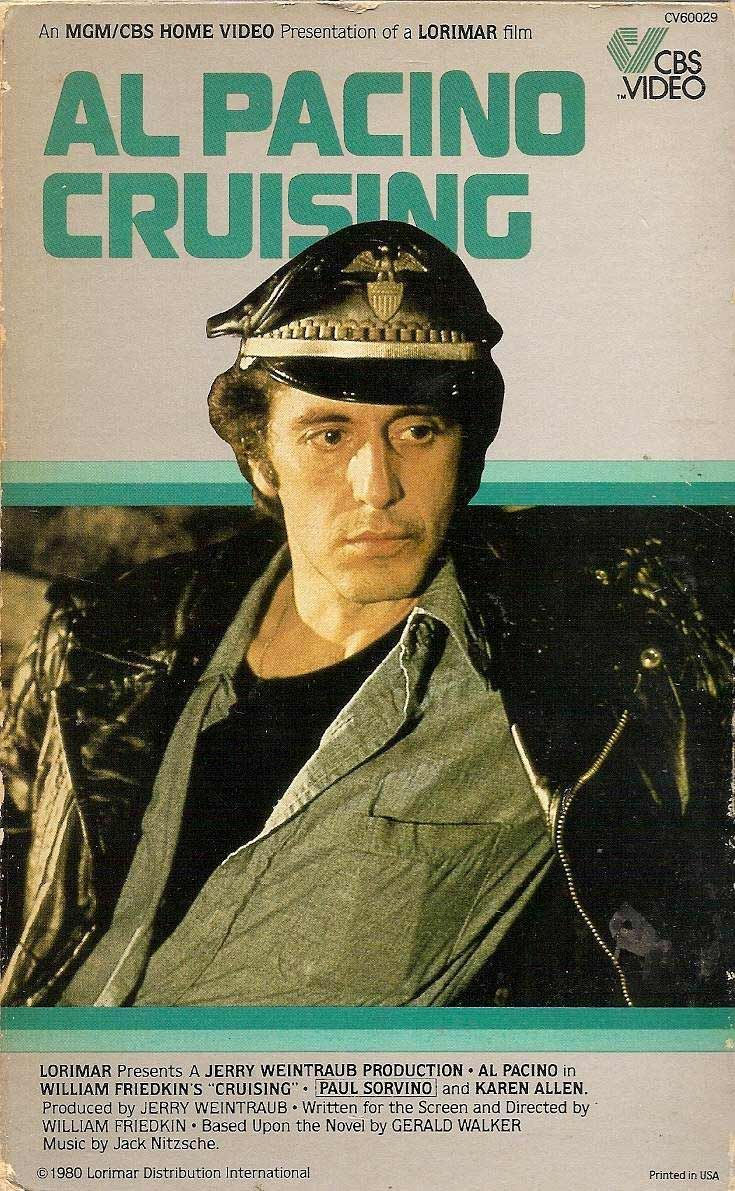
William Friedkin's Cruising remains one of the most debated films connected to leather culture. Set within New York's underground leather scene of the late 1970s, the film follows a police officer investigating a series of murders while entering the city's hidden nightlife.
Although controversial for its portrayal of gay communities, Cruising unintentionally became one of the most valuable visual documents of pre-AIDS leather culture. Clubs, bars, clothing, music, architecture, and social rituals preserved on film now function as historical records of environments that largely disappeared during the following decade.
For historians of fetish culture, the film offers an extraordinary archive documenting the spaces, aesthetics, and visual language of one of the most influential periods in queer history.
The relationship between cinema and fetish culture extends far beyond individual films. Directors, costume designers, production designers, photographers, and cinematographers have collectively created visual languages that continue to shape contemporary fashion, editorial photography, performance art, music videos, and digital media.
Leather gloves, corsets, latex, masks, uniforms, polished boots, industrial architecture, neon lighting, mirrors, and carefully choreographed body language have become instantly recognizable cultural symbols partly because cinema transformed them into emotionally charged visual experiences. Many contemporary fashion campaigns owe as much to Belle de Jour, The Night Porter, Crash, or The Duke of Burgundy as they do to traditional fashion history.
The history of fetish in cinema therefore reveals something larger than erotic representation. It demonstrates how film continually reinterprets objects, clothing, architecture, and performance, turning them into enduring symbols that shape the collective imagination.
Through cinema, fetish aesthetics left the underground and entered museums, galleries, fashion runways, and visual culture itself, becoming one of the most influential design languages of the modern era.
Related Concepts
Continue exploring the relationship between cinema, design, and fetish culture through related entries in the Atomique Fetish Archive:
The Architecture of Desire
Corset Fetish
Queer Visual Culture
Together, these subjects reveal how cinema has helped preserve, reinterpret, and expand the visual history of fetish culture across generations, transforming underground aesthetics into a lasting part of contemporary art, fashion, and design.


