


Fetish Geographies: How Cities, Regions, and Subcultures Shaped Global Fetish Culture
Fetish culture is international, but it was never created in a single place. Its visual languages emerged from specific streets, industries, political conditions, nightlife districts, artistic movements, materials, and communities before travelling elsewhere and acquiring new meanings. Leather developed powerful associations with postwar motorcycle culture and gay communities in American cities; rubber and bondage clothing acquired a particular commercial and fashion history in Britain; Berlin transformed cabaret, political rupture, industrial architecture, techno, and queer nightlife into a language recognized around the world; while Japanese kinbaku developed through histories that cannot simply be reduced to the Western category of bondage.
Looking geographically changes the history of fetish because cities do more than provide locations for subcultures. They create the conditions in which those subcultures become possible. Ports introduce foreign uniforms and transient populations, industrial cities provide materials and abandoned architecture, entertainment capitals produce photographers and performers, political repression creates coded forms of communication, and periods of liberation can suddenly make previously hidden communities visible.
The geography of fetish is therefore a history of circulation. A practice develops locally, an image is photographed, a magazine distributes it, a traveler encounters it, a designer appropriates it, a club reconstructs it somewhere else, and eventually something rooted in one territory becomes part of an international vocabulary of desire.
Europe: From Cabaret and Rubber to Leather, Techno, and Fetish Fashion
Europe contains several distinct genealogies of modern fetish culture rather than one unified tradition. Paris contributed enormously to the eroticization of fashion and photography, London connected specialist fetish manufacturing with punk and design, Berlin repeatedly turned political and architectural rupture into spaces for sexual experimentation, while Amsterdam, Madrid, and other cities developed their own relationships between queer visibility, nightlife, leather, and changing sexual politics.
Berlin — Cabaret, Leather, Industrial Architecture, and the Fetish City
Few cities demonstrate the relationship between territory and sexual culture as clearly as Berlin. During the Weimar period, the city supported an extraordinary ecosystem of cabaret, queer nightlife, sexual-reform movements, cross-dressing venues, publishing, and scientific research represented most famously by Magnus Hirschfeld's Institute for Sexual Science. Much of this culture was violently destroyed after the Nazi seizure of power, making contemporary Berlin's reputation for sexual freedom impossible to understand without acknowledging the historical rupture that preceded it.

Photography: Envato Elements
After division and particularly after reunification, another Berlin emerged through abandoned factories, bunkers, warehouses, marginal neighborhoods, electronic music, and an unusually permissive nightlife environment. Clubs such as Bunker and later spaces associated with Berlin's techno and fetish cultures transformed concrete, steel, darkness, exposed infrastructure, and monumental industrial architecture into an international aesthetic.
Contemporary Berlin connects leather bars, BDSM spaces, rubber communities, puppy culture, techno, sex-positive nightlife, specialist shops, Folsom Europe, and internationally known venues. What the city ultimately exported was larger than any particular fetish: Berlin helped establish the idea that architecture, music, clothing, anonymity, and sexuality could form one immersive environment.
London — Rubber, Bondage Clothing, Punk, and Fetish Fashion
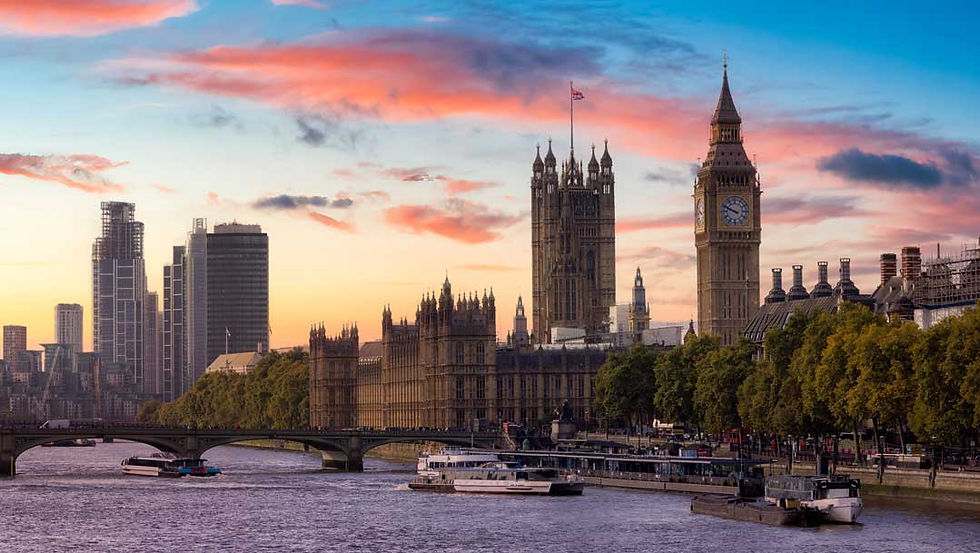
Britain developed another enormously influential trajectory through clothing and material culture. Rubberized garments had practical industrial and protective applications long before becoming fetish objects, but twentieth-century specialist manufacturers increasingly transformed rubber into clothing designed around sensation, restriction, appearance, and fantasy.
Photography: Envato Elements
London became especially important through figures such as John Sutcliffe and publications including AtomAge, which connected leather, rubber, restrictive clothing, motorcycles, boots, masks, and elaborate garments with specialist audiences. The later collision between bondage imagery and punk culture pushed straps, buckles, leather, rubber, chains, bondage trousers, and provocative sexual references into an entirely different cultural environment.
By the 1980s and 1990s, publications such as Skin Two, designers, shops, clubs, and events helped establish London as an international center of fetish fashion, while Torture Garden created an environment where BDSM imagery, performance, body modification, fashion, club culture, and elaborate dress could coexist.
London's international contribution was therefore particularly material: the city helped turn fetish clothing into a recognizable design language capable of travelling between specialist culture, nightlife, punk, photography, and high fashion.
Paris — Cabaret, Surrealism, Corsetry, and the Fetishized Image
Paris shaped fetish culture less through a single organized BDSM tradition than through its extraordinary power to manufacture images. Cabaret, music hall, lingerie, corsetry, fashion photography, Surrealism, cinema, couture, and nightlife repeatedly transformed the body into a visual construction.

Photography: Envato Elements
Josephine Baker's performances exposed the complicated relationship between costume, racial fetishization, celebrity, and control of the image, while Man Ray and the Surrealists fragmented bodies and objects through photography. Companies such as Yva Richard circulated specialized lingerie, corsetry, footwear, and fetish-oriented imagery internationally, demonstrating how Parisian fashion culture could overlap with increasingly specific forms of desire.
Later figures including Pierre Molinier, Jean Paul Gaultier and Thierry Mugler continued exploring constructed bodies, gender ambiguity, corsetry, artificial silhouettes, and theatrical sexuality in radically different contexts.
If London exported fetish clothing and Berlin exported fetish space, Paris exported the fetish image: the body transformed through styling, photography, fantasy, and spectacle.
Amsterdam — Leather, Sexual Liberalism, and Visibility
Amsterdam developed its international reputation through a different combination of factors: port-city cosmopolitanism, gay nightlife, leather communities, sex businesses, specialist shops, publishing, and relatively visible sexual culture.

Photography: Envato Elements
The city's importance lies partly in infrastructure. Alternative sexualities could develop through identifiable districts, venues, organizations, businesses, and events rather than remaining completely dispersed. Amsterdam consequently became an important point within European leather and fetish travel networks, connecting local communities with visitors from Britain, Germany, Scandinavia, Belgium, France, and beyond.
Its influence demonstrates that territory can shape fetish culture through visibility and accessibility as much as through aesthetics.
Madrid — Post-Franco Liberation and the Reclaimed Body
Madrid's contribution is inseparable from Spain's transition out of dictatorship. After Franco's death in 1975, the cultural explosion associated with La Movida Madrileña brought punk, queer identity, drag, photography, cinema, fashion, nightlife, drugs, sexual experimentation, and deliberate provocation into a society undergoing extraordinarily rapid transformation.

Photography: Envato Elements
Pedro Almodóvar's early films captured parts of this atmosphere, while nightlife became a laboratory for identities that authoritarian morality had attempted to suppress. By the 1990s, Madrid possessed an increasingly international electronic club culture alongside gay and alternative nightlife.
Here the geography of desire is closely tied to political history: the body became one of the territories through which a new generation expressed freedom after authoritarian control.
North America: Leather, Motorcycle Culture, BDSM Communities, and Queer Art
North America's contribution to modern fetish culture is particularly important to leather, organized BDSM, physique photography, queer publishing, pornography, performance, and the transformation of private subcultures into durable institutions. San Francisco, New York, Los Angeles, and Chicago each produced different versions of this history.
San Francisco — Leather, SoMa, and Fetish as Community
Postwar San Francisco became one of the most important territories in gay leather history as motorcycle culture, bars, clubs, organizations, and businesses created increasingly visible communities. South of Market, or SoMa, became especially significant as leather bars and sexual venues occupied a district shaped by warehouses, industry, inexpensive commercial spaces, and working-class urban history.
The city also developed an unusually strong relationship between sexuality and community organization. Leather culture became connected to fundraising, activism, businesses, archives, BDSM education, and public events rather than existing solely as nightlife.
The Folsom Street Fair, established in 1984, eventually transformed a neighborhood event into an international gathering and made San Francisco's leather heritage visible on an extraordinary scale.
San Francisco's greatest export was therefore not simply the leather aesthetic. It demonstrated how fetish could become community infrastructure.
New York — Leather, Art, Pornography, and Radical Performance
New York repeatedly collapsed the boundaries separating sexual undergrounds from cultural production. Leather bars and spaces such as the Mineshaft existed alongside experimental cinema, pornography, downtown performance, queer art, nightlife, fashion, and publishing.
Robert Mapplethorpe brought leather, BDSM and male sexuality into some of the most contested photographic debates of the late twentieth century, while Keith Haring emerged from a world in which queer nightlife, public art, dance music, sexuality, and AIDS activism intersected. Later, Club Kids transformed nightlife into experiments with gender, costume, prosthetics, makeup, body distortion, and invented identities.

Photography: Envato Elements
New York's contribution was the constant movement from underground sexual culture into art, media, performance, and image-making, often generating controversy precisely because those worlds refused to remain separate.
Los Angeles — Physique, Leather, Pornography, and the Manufactured Body
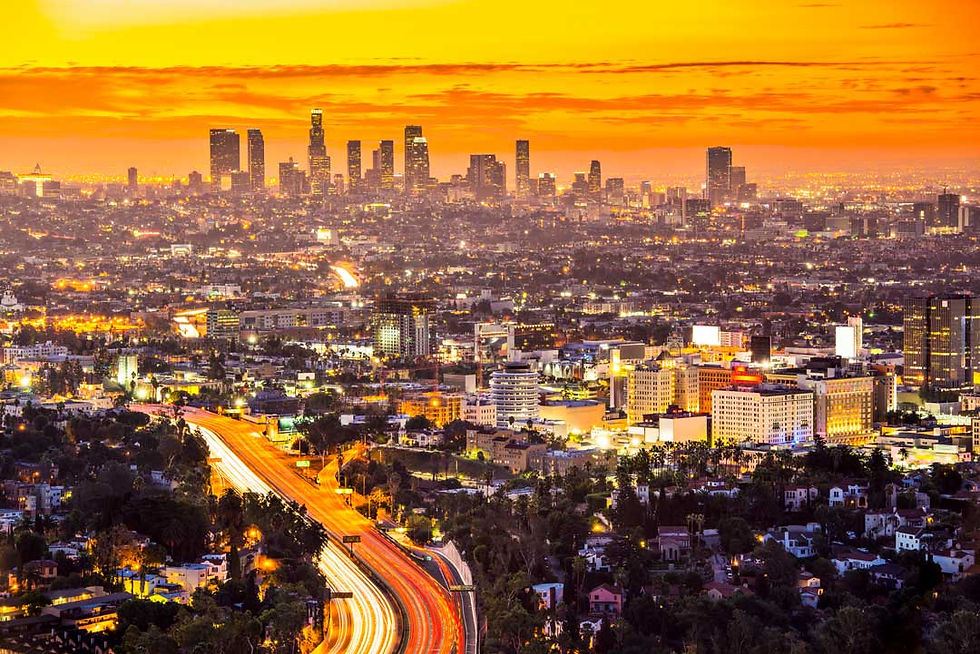
Los Angeles developed another relationship with fetish through photography and the entertainment industry. Physique photography, motorcycle culture, pornography, gay communities, Hollywood fantasy, bodybuilding, and the city's obsession with image created fertile territory for highly constructed representations of the body.
Bob Mizer and the Athletic Model Guild helped establish a visual culture around male physique photography, while later artists including Catherine Opie documented queer, leather, tattooed, pierced, and BDSM communities with a seriousness that challenged representations of them as anonymous spectacle.
Photography: Envato Elements
Los Angeles therefore offers a history of the body consciously manufactured for the camera, whether through muscle, clothing, modification, pose, fantasy, or identity.
Chicago — Leather Institutions, House Music, and Community
Chicago became especially important through organized leather culture and the development of International Mr. Leather, which grew from a local event into an international institution bringing participants together through competition, social events, vendors, organizations, and community networks.
The city simultaneously gave birth to house music, another underground culture created largely through Black and gay nightlife before becoming global. Leather and house are separate histories, but their coexistence demonstrates how Chicago's marginalized communities repeatedly created cultural forms capable of travelling far beyond the city.
Chicago's contribution to fetish geography is therefore institutional as much as aesthetic: communities became organizations, annual rituals, networks, and traditions capable of surviving across generations.
Latin America: Nightlife, Political Rupture, Performance, and the Public Body
Latin American fetish histories should not be treated as secondary versions of European or American ones. Cities across the region developed their own relationships between Catholic morality, authoritarian politics, machismo, queer survival, Carnival, fashion, electronic music, body culture, and sexual liberation.
The result is not a single Latin fetish aesthetic but a series of local negotiations between visibility and restriction.
São Paulo — Queer Nightlife and the Electronic Underground
São Paulo's scale and cultural intensity created a nightlife ecosystem in which electronic music, fashion, gay culture, drag, alternative identities, artists, DJs, and after-hours communities could intersect.

Photography: Envato Elements
During the 1990s, spaces including Hell's Club, Sound Factory and Lov.e became part of a rapidly developing electronic underground. Lov.e, opened in 1998, became particularly associated with the mixing of audiences, electronic genres, fashion, and after-hours culture.
São Paulo matters because its underground did not simply reproduce Berlin, London, or New York. International references entered an enormous Brazilian metropolis and were recombined through local music, bodies, fashion, social divisions, queer culture, and the distinctive intensity of the city's nightlife.
Rio de Janeiro — Carnival, Costume, and the Public Body
Rio requires a different approach because Carnival itself should not be retrospectively categorized as fetish culture. What makes the city relevant is its extraordinary history of bodily spectacle and temporary transformation.

Photography: Envato Elements
Carnival costumes, masks, feathers, uniforms, exposed bodies, performance, gender play, samba schools, and collective occupation of public space demonstrate how clothing and ritual can temporarily reorganize identity. Beach culture adds another dimension through the unusually public relationship between body, clothing, physical display, and social life.
These traditions intersect with fetish history conceptually rather than being fetishes themselves. Rio demonstrates that the transformed body does not always need a private underground space; under particular cultural conditions, transformation can occupy the street.
Buenos Aires — Leather, Queer Nightlife, and Post-Dictatorship Sexual Culture
Buenos Aires offers another compelling relationship between politics and the body. Argentina's return to democracy in 1983 created new possibilities for cultural experimentation after years of dictatorship, surveillance, censorship, and state violence.
Queer nightlife, alternative theatre, music, fashion, publishing, and sexual communities developed within this changing environment, while the city's long associations with leather production and highly coded masculine aesthetics provide additional material histories without automatically constituting fetish culture themselves.
Buenos Aires therefore belongs within a broader Latin American pattern in which sexual visibility became intertwined with democratic transformation and the reclamation of public life.
Mexico City — Masks, Masculinity, Leather, and Queer Undergrounds
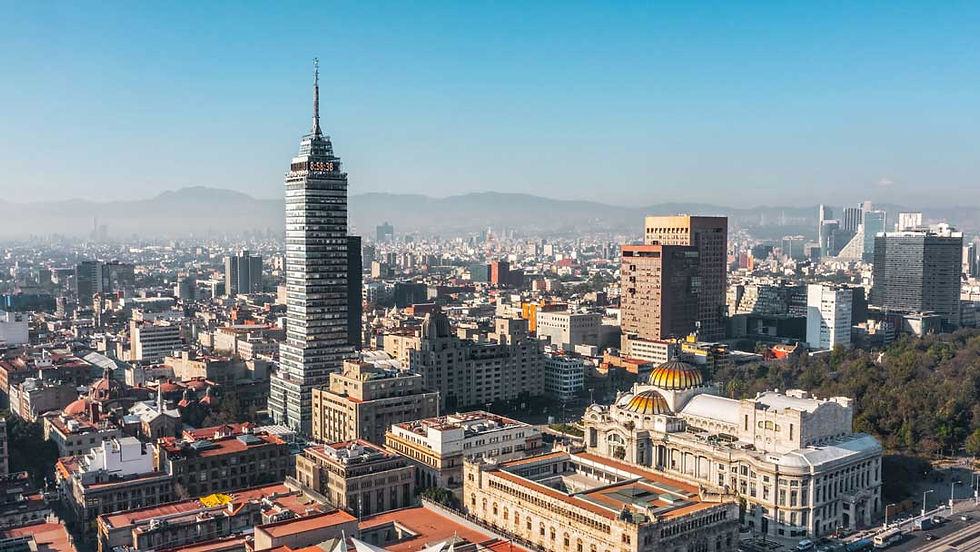
Mexico City brings together another distinctive set of visual codes. Lucha libre transformed the mask into an extraordinarily powerful instrument of public identity, producing characters whose faces could disappear behind manufactured personas. This tradition should not itself be called fetishistic, but its relationship with concealment, transformation, masculinity, costume, and spectacle provides important cultural context for understanding the city's visual language.
Photography: Envato Elements
Alongside this exists the actual history of gay nightlife, leather communities, punk, BDSM, drag, underground art, and alternative sexual cultures in one of the world's largest cities.
Mexico City therefore allows fetish geography to examine what happens when internationally recognizable fetish objects such as masks and leather encounter local traditions in which those materials already possess completely different meanings.
Bogotá — Electronic Music, Queer Nightlife, and the Underground City
Bogotá's contemporary underground connects electronic music, queer nightlife, alternative fashion, performance, and increasingly visible sex-positive cultures within a city whose political and social history has often made public difference complicated.
Its relevance to the contemporary map lies particularly in the globalization of club culture. Industrial music, techno, leather, harnesses, body modification, and dark fashion can circulate internationally while acquiring different meanings when placed within Colombian nightlife.
Bogotá demonstrates that globalization does not necessarily produce identical scenes. The same visual vocabulary changes according to the city wearing it.
Santiago — Dictatorship, Counterculture, and Sexual Visibility
Chile offers another territory in which sexual culture cannot be separated from political history. The Pinochet dictatorship restricted political expression and reinforced conservative social structures, while the transition toward democracy created spaces for new forms of cultural and queer visibility.
Santiago's underground music, performance, nightlife, fashion, and LGBTQ+ communities developed through these tensions, making the city particularly useful for understanding fetish not merely as an aesthetic but as one component within larger struggles over who is permitted to occupy public space and how bodies are allowed to appear within it.
Asia: Rope, Technology, Specialization, Nightlife, and Alternative Bodies
Asia requires particular historical care because Western representations have frequently fetishized Asian cultures themselves. Clothing, rituals, gender identities, and sexual practices have repeatedly been extracted from their contexts and presented as exotic objects for Western consumption.
A geographical history therefore needs to distinguish between local sexual cultures and the fantasies outsiders constructed around them.
Tokyo — Kinbaku, Publishing, Photography, and Extreme Specialization
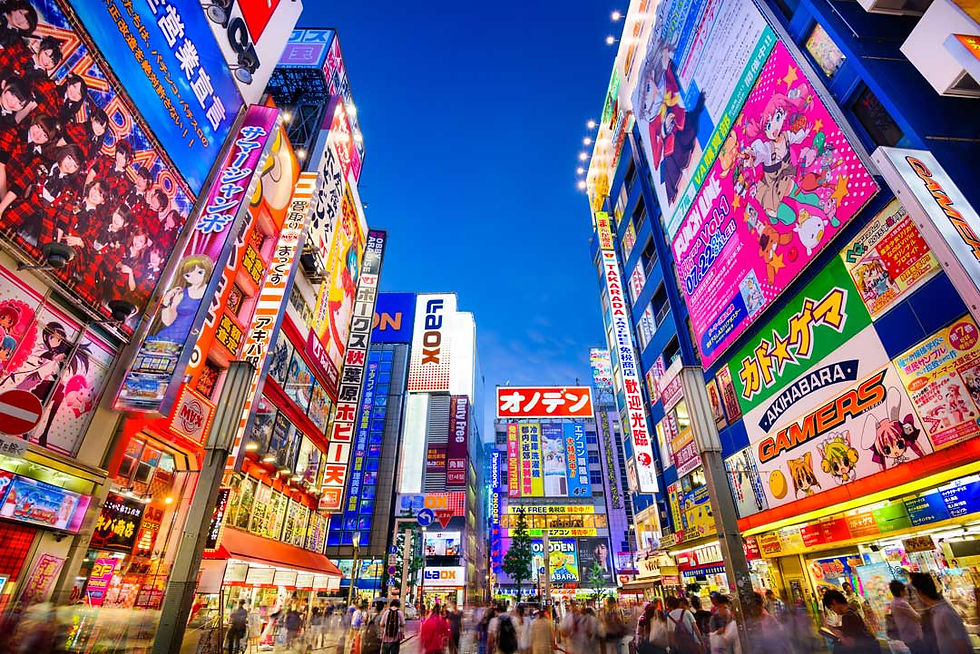
Tokyo is fundamental to any international fetish geography, particularly through the history of Japanese rope bondage. Kinbaku developed through specifically Japanese theatrical, artistic, publishing, photographic, and erotic histories before its techniques and imagery circulated internationally and were increasingly described through the term shibari outside Japan.
Photography: Envato Elements
Postwar magazines and photography were crucial to this circulation, while Tokyo's enormous publishing industry allowed specialized interests to develop sophisticated visual languages and audiences. Later underground nightlife, fashion, rubber, technological imagery, manga, performance, and highly specific subcultures contributed to an international perception of Tokyo as a territory of extreme specialization.
The important historical point is that international rope culture did not simply import a technique; it translated a Japanese cultural practice, sometimes preserving its history and sometimes stripping that history away.
Osaka — Performance, Nightlife, and the Alternative City
Osaka offers a useful counterpoint to Tokyo because Japanese underground culture cannot be reduced to the capital. The city's independent music, nightlife, performance, and alternative scenes created their own environments for experimentation.
Including Osaka prevents Japanese fetish history from becoming a collection of familiar Tokyo stereotypes and reinforces a central principle of fetish geography: even within one country, regional cultures transform the same practices differently.
Seoul — Itaewon, Queer Space, and Rapid Modernization
Seoul's transformation into a global metropolis occurred with extraordinary speed, while sexual and queer cultures developed within a society where conservative family structures and social expectations remained powerful.
Itaewon became particularly important because its international population, military presence, bars, clubs, and later queer venues produced an urban environment distinct from much of Seoul. Rather than identifying one object as uniquely Korean fetish culture, the more interesting story concerns territory itself: particular streets could offer forms of anonymity, contact, and experimentation unavailable elsewhere.
Seoul therefore demonstrates how a neighborhood can function as a temporary zone of possibility inside a much larger city.
Bangkok — Cabaret, Gender Performance, and the Tourist Gaze
Bangkok occupies complicated territory because Thailand has been intensely sexualized by international tourism and Western media. Any history of fetish culture here must distinguish local gender identities, performance traditions, queer communities, nightlife, and sex work from the fantasies projected onto Thailand by visitors.

Photography: Envato Elements
Cabaret and transgender performance nevertheless make Bangkok important to a broader history of the constructed body. Costume, makeup, choreography, femininity, celebrity, and transformation produce sophisticated stage identities, while nightlife has connected local cultures with international visitors for decades.
The essential subject is therefore not an imagined “exotic sexuality,” but the collision between self-produced identities and an external gaze determined to exoticize them.
Taipei — Queer Visibility and East Asian Sexual Culture
Taipei provides a different regional trajectory through Taiwan's growing LGBTQ+ visibility, large Pride culture, nightlife, BDSM communities, and eventual legalization of same-sex marriage in 2019, the first in Asia.
The city's significance lies in demonstrating how changing legal and social conditions can alter the visibility of sexual subcultures. Practices that once depended upon discreet networks can develop organizations, public events, shops, online communities, and increasingly recognizable social identities. Taipei therefore provides a valuable counterpoint to territories where fetish and queer cultures remain much more dependent upon secrecy.
Hong Kong — Cinema, Fashion, and the Cosmopolitan Body
Hong Kong's history as a port and former British colony created a visual culture shaped by continuous exchange between Chinese traditions and international modernity. Cinema, advertising, nightlife, tailoring, uniforms, fashion, and popular culture produced bodies that were constantly being restyled for changing audiences.

Photography: Envato Elements
Rather than searching for a singular “Hong Kong fetish,” its place within the archive should examine circulation itself: how clothing, cinema, objects, and sexual imagery move through a city historically built around international exchange.
Oceania: Leather, Mardi Gras, and Fetish in Public
Australia developed significant leather, BDSM, queer, and club cultures while remaining geographically distant from the European and North American cities traditionally treated as centers of fetish history. Sydney and Melbourne demonstrate how international subcultures can become locally embedded rather than remaining cultural imports.
Sydney — Mardi Gras, Leather, and Queer Visibility
Sydney's Mardi Gras grew from protest into one of the world's most recognizable LGBTQ+ events, creating a public environment where leather, uniforms, drag, body display, costumes, puppy identities, and other subcultural aesthetics could become visible alongside broader queer communities.

Photography: Envato Elements
The significance of Sydney is therefore similar to San Francisco in one respect: identities once confined to bars and specialist spaces could eventually occupy major public streets, changing the relationship between fetish culture and urban visibility.
Melbourne — Alternative Fashion, Clubs, and Fetish Nightlife
Melbourne developed a different identity through alternative fashion, music, club culture, leather and fetish events, performance, and a strong independent creative scene.
Its importance within the larger map demonstrates how fetish cultures can develop internationally through networks of designers, DJs, performers, event organizers, photographers, and travelers rather than through one famous institution.
Africa: Queer Space, Visibility, and the Politics of the Body
African fetish histories remain dramatically underrepresented in international writing, partly because Western archives have historically looked at African bodies through colonial and anthropological frameworks rather than documenting local sexual communities on their own terms.
Any Atomique treatment should therefore avoid inventing a unified “African fetish culture.” The continent contains radically different legal, religious, linguistic, and cultural environments.
Johannesburg — Queer Nightlife in a Changing South Africa
Johannesburg's post-apartheid cultural transformation created new spaces for queer nightlife, fashion, art, electronic music, and alternative identity while inequalities and social conservatism remained powerful.

Photography: Envato Elements
Its relevance lies in the relationship between political transformation and bodily visibility. As in Madrid, Buenos Aires, and Santiago, changes in political structure do not instantly produce sexual freedom, but they can alter the spaces within which communities negotiate it.
Cape Town — Queer Visibility, Fashion, and the International City
Cape Town's tourism, nightlife, fashion, LGBTQ+ communities, and international connections have made it one of Africa's more visible queer urban environments.
Rather than forcing a historical fetish narrative onto the city, Cape Town is more useful for examining contemporary globalization: how leather, BDSM, club fashion, drag, body modification, and other internationally circulating subcultures are translated within a distinctly South African social environment.

Photography: Envato Elements
The Middle East: Nightlife, Secrecy, Fashion, and Parallel Identities
The region requires particular care because legal and social conditions differ enormously between countries, and public visibility can carry serious consequences.
Here geography reveals another fundamental aspect of fetish culture: subcultures do not always develop through public institutions.
Sometimes territory produces secrecy.
Beirut — Nightlife, Fashion, and Queer Urban Culture
Beirut has repeatedly occupied an unusual position within Middle Eastern nightlife through its clubs, fashion, art, music, and queer communities, even as those cultures have operated amid political instability and changing legal and social pressures.
The city is important precisely because pleasure and nightlife have existed alongside conflict rather than outside history. Alternative spaces can become temporary environments where clothing, music, sexuality, and identity operate according to different rules from those governing the surrounding city.
Beirut demonstrates one of the oldest principles of underground culture: when public identity is restricted, particular rooms acquire enormous cultural importance.
From Local Subculture to Global Fetish Language
Looking across these territories makes one thing clear: there has never been a single center of fetish culture.
Berlin contributed an extraordinary relationship between sexual freedom, industrial architecture, and nightlife; London connected rubber and bondage clothing with fashion; Paris transformed bodies through photography, cabaret, and couture; San Francisco built durable leather communities; New York repeatedly pushed sexual undergrounds into art and performance; Chicago institutionalized leather networks; Tokyo gave international rope culture one of its most important traditions; São Paulo developed a hybrid electronic and queer underground; Madrid, Buenos Aires, and Santiago connected bodily liberation with political transformation; while Sydney demonstrated how identities once hidden inside specialist venues could become visible within enormous public celebrations. Yet these histories become most interesting when they begin to travel.
Kinbaku leaves Japan and becomes internationally known as shibari. British rubber clothing appears in clubs elsewhere in Europe. American leather imagery circulates through magazines and photography. Berlin's industrial darkness becomes an interior-design reference copied by clubs thousands of kilometers away. Parisian corsetry enters global fashion. Puppy communities communicate internationally through digital platforms, while a harness can now appear in Berlin, São Paulo, Tokyo, Mexico City, Sydney, or Seoul without carrying precisely the same meaning in any two places.
Globalization does not erase geography. It makes geography more complicated.
An object can become international while retaining traces of the place that gave it meaning, and it can acquire entirely new associations each time another community adopts it.
Territory Changes the Meaning of the Object
This is ultimately what makes a geographical approach to fetish culture valuable. Objects themselves do not carry fixed meanings. Communities construct those meanings around them.
Leather can signify motorcycle protection, gay identity, fashion, labor, masculinity, BDSM, luxury, or uniform depending upon where and how it appears. Rubber can belong to industry, medicine, rainwear, fetish clothing, or high fashion. A mask can belong to ritual, theatre, lucha libre, anonymity, BDSM, protest, performance, or nightlife. A uniform can represent actual institutional authority in one environment and negotiated roleplay in another. The same object travels while its meaning changes.
Understanding fetish geographically therefore means following more than desire. It requires following materials, migration, political history, architecture, photography, clothing, nightlife, technology, communities, and the movement of images across borders.
During the twentieth century, magazines, travelers, films, photographs, shops, designers, and clubs carried these languages between cities. In the twenty-first century, digital networks accelerated the process until a local visual code could become globally recognizable almost overnight.
Fetish culture may now appear international, but beneath that global surface remains an archive of very specific places. Every harness, rope, rubber suit, mask, boot, club, photograph, and ritual has a geography somewhere behind it.
Related Concepts
Leather Culture
Military Fetish
Fetish Photography
Fetish Spaces
Queer Nightlife
Body Transformation
Fetish Objects
Fetish Through the Decades
Written by Otávio Santiago
Founder of Atomique Fetish, an editorial platform exploring fetish design, culture & visual research.
Visual research continues at @atomique.fetish ↗


