


Role Play Fetish: Fantasy, Power, and the Art of Becoming Someone Else
Updated: Feb 10
Role Play Fetish and the Architecture of Fantasy
Role play fetish is the practice of inhabiting imagined identities, scenarios, or power structures as a way of exploring desire. It transforms fantasy into a temporary reality, allowing participants to step outside their everyday selves and enter a shared narrative built on consent, imagination, and intention.
In fetish culture, role play is not deception — it is deliberate fiction, performed with
awareness and trust.

Historical Roots of Role Play
The eroticization of roles has deep historical roots. Long before modern fetish terminology existed, societies used costume, ritual, and performance to suspend ordinary rules. Masks, uniforms, ceremonial titles, and theatrical archetypes allowed people to temporarily embody authority, submission, divinity, or anonymity.
In literature and art, these role-based fantasies appeared as governesses, soldiers, servants, doctors, strangers, or mythical figures. Role play fetish emerged from this lineage as a way to eroticize social structures themselves — hierarchy, profession, taboo, and power.
Role Play Fetish in Contemporary Culture
Today, role play fetish spans a wide spectrum of practices, including:
Authority and uniform scenarios
Caregiver and guidance dynamics
Stranger or anonymity play
Power-based narratives
Fictional or symbolic identities
What unites these variations is not the specific role, but the act of agreement to believe.
Participants step into a script that temporarily reshapes behavior, language, and expectation. Role play allows desire to unfold within structure.
Identity as Performance
At its core, role play fetish treats identity as flexible rather than fixed. The self becomes something that can be put on, removed, exaggerated, or inverted. This resonates strongly with fetish culture’s broader challenge to rigid norms around gender, authority, and behavior.
By performing another identity, participants explore aspects of themselves that may remain hidden in daily life. Role play becomes a tool for curiosity rather than escape — a way of examining desire through transformation.
Power, Consent, and Narrative Control
Role play fetish relies on explicit consent and clear boundaries. Before entering a scene, roles are discussed, limits defined, and expectations aligned. Once the narrative begins, power flows through the script itself.
Control is exercised through language, tone, posture, and timing. The erotic charge often lies in following or directing the story, not in physical action. The scene ends when the narrative ends, and participants return to themselves.
This separation between role and self is what makes role play both safe and potent.
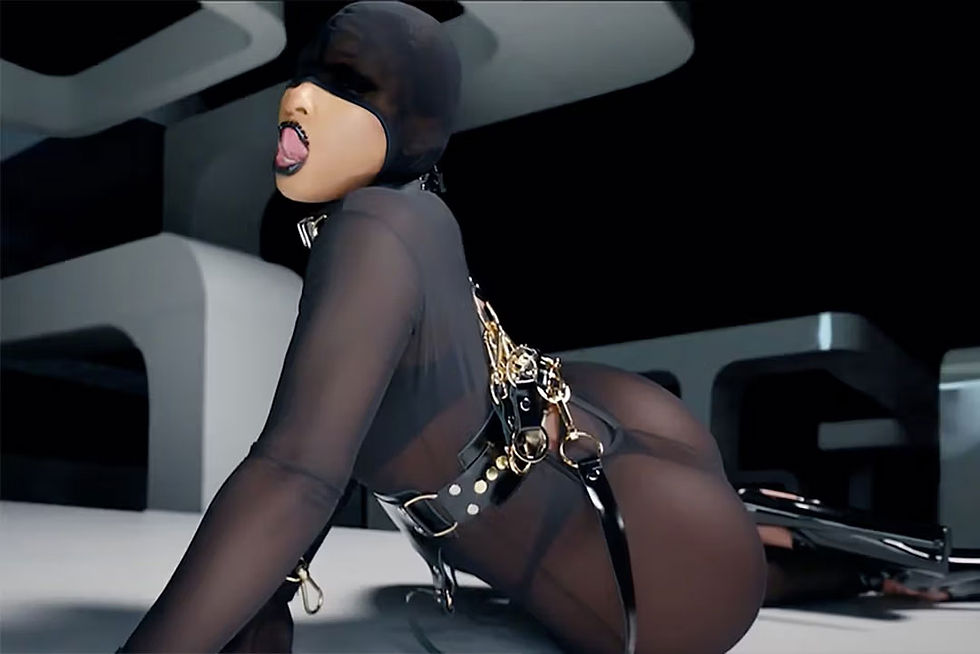
Aesthetic and Ritual Elements
Costume, setting, and props play an important role in role play fetish. Clothing signals identity. Space establishes atmosphere. Ritual transitions mark entry and exit from the scene.
These elements transform fantasy into experience. The fetish operates not through realism, but through symbolism — a shared understanding that what is happening is intentional, contained, and temporary.
Role Play Beyond the Fetish Scene
Role play fetish has influenced fashion, performance art, club culture, and visual storytelling. Characters, archetypes, and exaggerated personas appear across contemporary culture, often blurring the line between fantasy and reality.
By making desire visible as performance, role play exposes a deeper truth: much of social life already operates through roles. Fetish simply makes this explicit.
Role play fetish is not about pretending to be someone else — it is about exploring what identity can become when rules are rewritten. Through fantasy, structure, and consent, role play turns desire into narrative and power into performance. In fetish culture, imagination is not an escape. It is a method.
Written by Otávio Santiago
Founder of Atomique Fetish, a research-based platform on fetish culture & design
Artist and cultural researcher


