


Pierre Molinier and the Surrealist World of Fetish Photography
Updated: Jun 12
Exploring Pierre Molinier’s Self-Fetish Surrealism
Pierre Molinier was a French surrealist artist and photographer known for his exploration of fetish photography, gender transformation, erotic identity, and self-portraiture. His work pushes the boundaries of gender, identity, and desire through auto-fetishism, stockings, legs, bondage, and queer erotic fantasy. Molinier did not merely photograph bodies—he fractured, multiplied, fetishized, and reassembled them into visions that challenged every normative idea of sexuality.
His obsession with legs—especially legs dressed in stockings and high heels—became the foundation of a body of work that merges fetish, dream logic, and radical self-invention. Through photomontage and self-portraiture, Molinier constructed impossible anatomies that expanded the very idea of what a body could be.
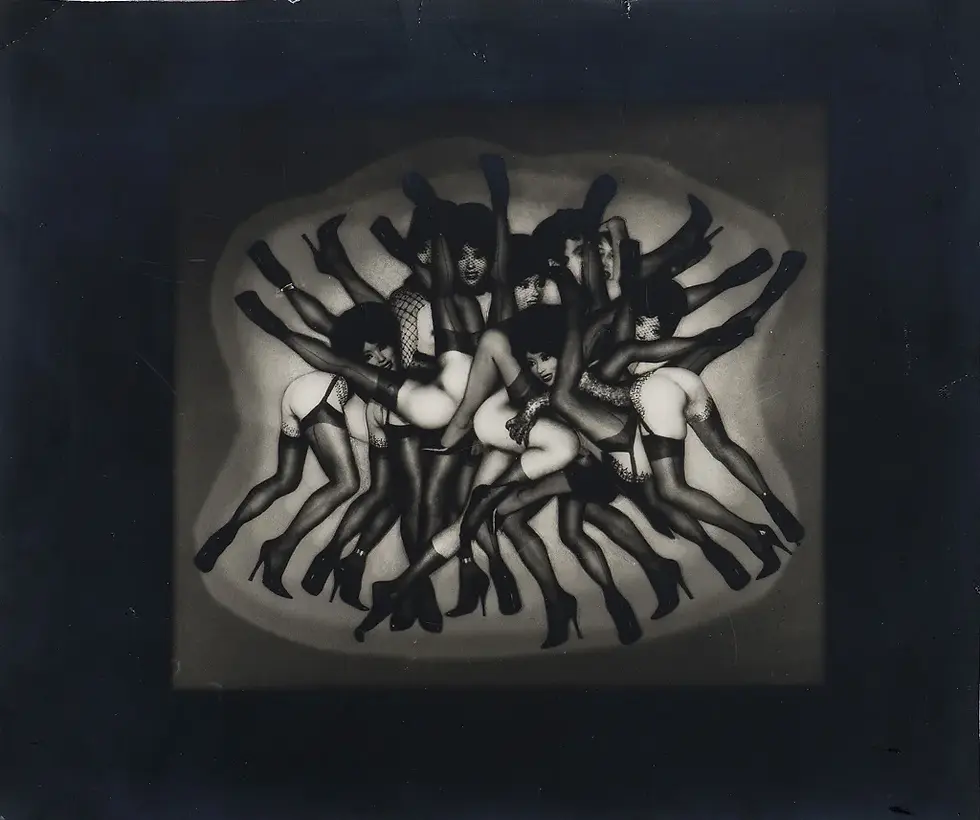
The Fetish of Legs, Stockings, and Bound Bodies
For Pierre Molinier, legs were not simply limbs; they were totems of desire. Satin stockings, stilettos, garters, and fabric tension formed a visual language of erotic power. Often using his own body, Molinier transformed himself into:
a fetish object
a genderless erotic entity
a self-made fantasy figure
Bondage appears not as punishment, but as a ritual of pleasure and self-mastery. Restraint becomes a form of liberation; submission becomes a mirror to autonomy. In many works, Molinier’s body dissolves into a kaleidoscope of limbs—fragmented and multiplied through photomontage—suggesting fluid gender identities long before contemporary discussions of queerness entered mainstream discourse.

Pierre Molinier’s Queer Erotic Surrealism
Pierre Molinier’s surrealism was explicitly erotic, explicitly queer, and unapologetically personal. Unlike the Surrealists who often objectified women, Molinier made himself the object of desire, reworking the erotic gaze into one of self-fetishization.
His images blur boundaries between:
masculine and feminine
dominance and submission
subject and object
fantasy and physicality
Through these transformations, Molinier asserts the right to queer pleasure, queer fantasy, and queer self-invention. His work stands as an early form of gender play and body modification—long before these ideas entered contemporary queer art and performance.
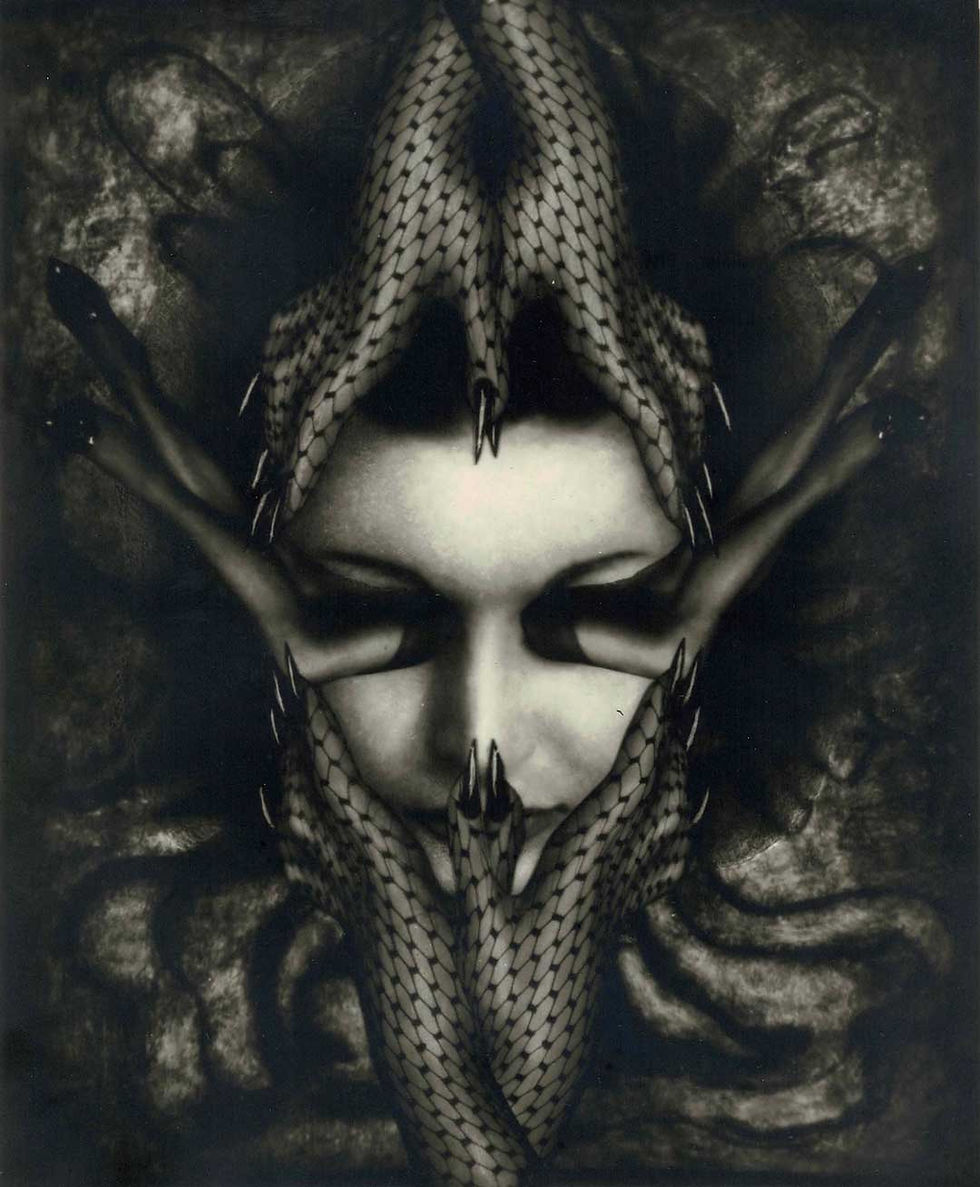
Legacy, Controversy, and Radical Self-Invention
Pierre Molinier’s photographs were considered scandalous, obscene, even dangerous in his lifetime. Yet today, his work is recognized as a landmark in the history of queer erotic art.
His influence can be seen in:
drag aesthetics
body-sculpting photography
fetish fashion
queer performance
avant-garde erotic imagery
Molinier’s commitment to transforming his body into an object of fantasy remains a powerful reminder: self-desire is not vanity—it is liberation.

Fragmented Bodies, Self-Desire, and the Architecture of Queer Fetish
Pierre Molinier’s work does not simply depict fetish — it internalizes it. His self-portraiture collapses the distance between subject and object, anticipating concepts such as Objectification, where the body becomes symbol, surface, and sculptural construction. Yet in Molinier’s hands, objectification is reclaimed; the artist controls the gaze by becoming its author.
His obsession with stockings, heels, and multiplied limbs resonates directly with Leg Fetish, Lingerie, and the stylized tension found in Bondage, where fabric, restraint, and posture transform anatomy into deliberate composition. Rope, garters, and suspended limbs operate less as tools of dominance than as devices of aesthetic control — erotic elements reassembled through surreal logic.
Molinier’s fluid self-representation also anticipates Gender Bending and Role Play, where identity becomes constructed performance rather than biological certainty. By fragmenting and recombining his own body, he stages transformation as ritual — a precursor to contemporary queer fetish aesthetics and performative self-invention.
The kaleidoscopic multiplication of limbs echoes the tension of Exhibitionism, where display becomes empowerment, and even the self-directed nature of his desire parallels forms of Autoeroticism, where fantasy turns inward and the body becomes both creator and creation.
Within The Fetish Index, these practices are not isolated eccentricities but structural expressions of desire — systems in which surface, fragmentation, costume, and ritual reorganize identity. Molinier’s legacy lies in demonstrating that fetish can be self-authored, that surrealism can be erotic without apology, and that queer desire can fracture the body only to rebuild it as myth.
He did not document fantasy.
He engineered it.
Written by Otávio Santiago
Founder of Atomique Fetish, editorial platform on fetish design
Cultural design & research


